

You are paying a few dollars a month for thousands of channels. Movies, live sports and news from every country. It all works perfectly. But somewhere in the back of your mind, a small voice asks — is this actually legal?
Get a Free Trial for 24 Hours
Don’t wait, don’t hesitate. Claim your free IPTV trial right now and see the difference for yourself before you commit to anything.
Get My Free Trial →That question matters more than most people realize.
The truth is, IPTV is not simply legal or illegal. It sits in a gray area that confuses even tech-savvy people. And getting it wrong can cost you real money, real stress, and in some cases, real legal trouble.
This guide will clear everything up. By the end, you will know exactly what is safe, what is not, and how to stream without any worry in 2026.
What Is IPTV and How Does It Work?
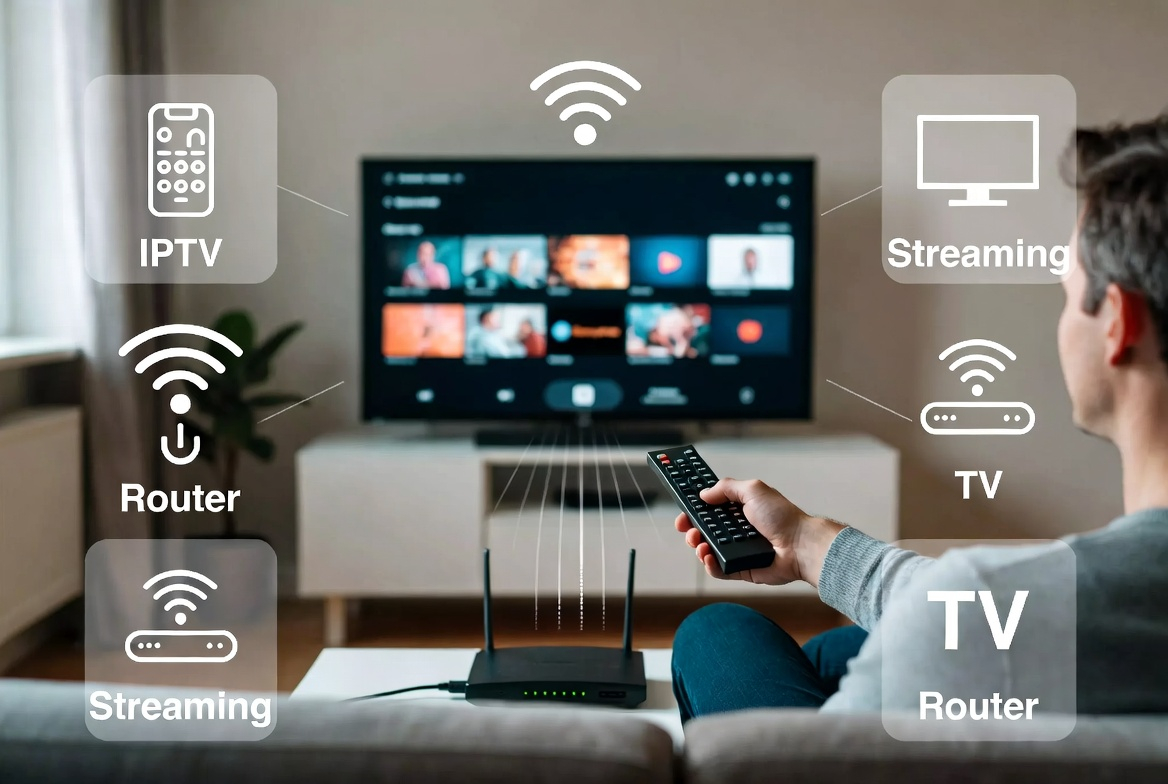
Most people have been using IPTV for years without even knowing it. Netflix, YouTube, Disney+ — these are all forms of IPTV at their core.
IPTV simply means Internet Protocol Television. You get your TV content delivered through your internet connection instead of through a cable wire or satellite dish. That is the whole idea.
There are three main formats you will come across:
- Live TV — Channels that stream in real time, just like regular television
- Video on Demand — A library of content you pick and watch whenever you want
- Time-shifted TV — Catch-up content that lets you watch shows you missed
If you want to understand the full picture of how IPTV works and which devices support it, this complete guide on what is IPTV covers everything in simple terms.
People love IPTV because it is cheap, flexible, and works on almost any screen. But that same popularity created a massive underground market of illegal services. And that is exactly where the legal problems begin.
Is IPTV Legal or Illegal?
Here is the thing most people do not realize.
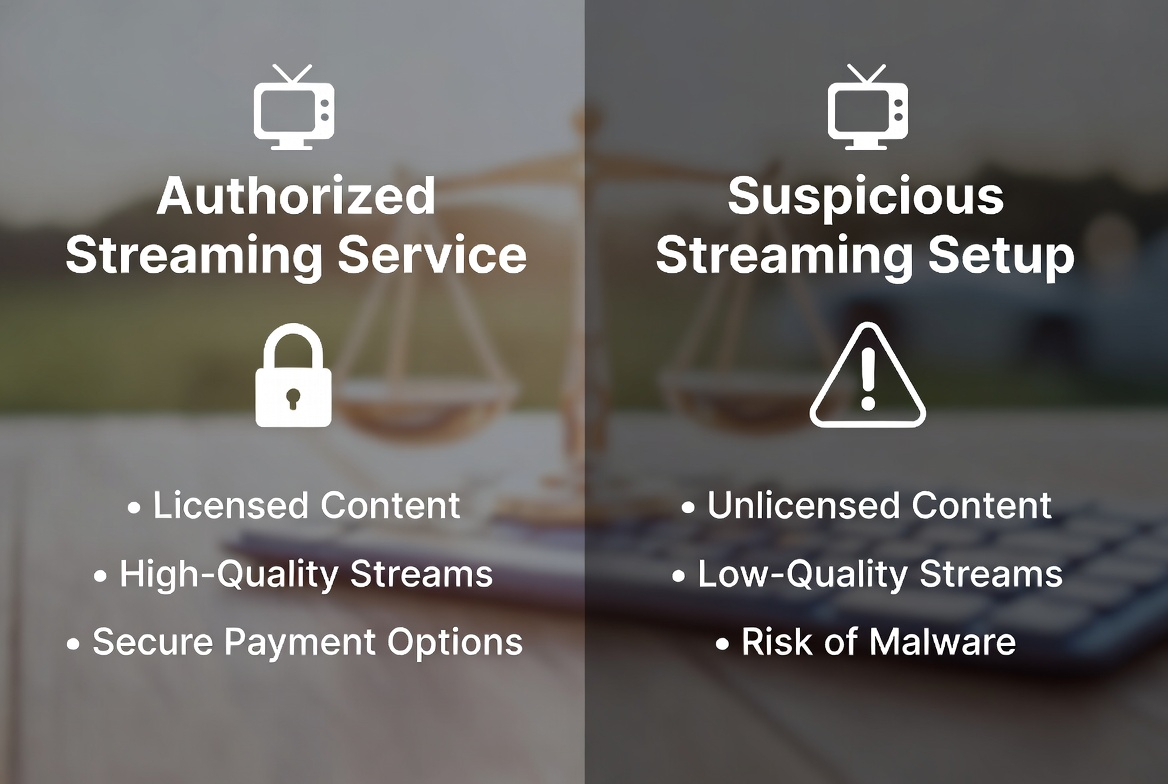
IPTV as a technology is completely legal. There is nothing wrong with receiving TV over the internet. The problem is never the technology. The problem is always the content and who has permission to broadcast it.
A simple way to think about it: a car is not illegal. But driving it through a red light is. IPTV works the same way.
What Makes a Service Legal
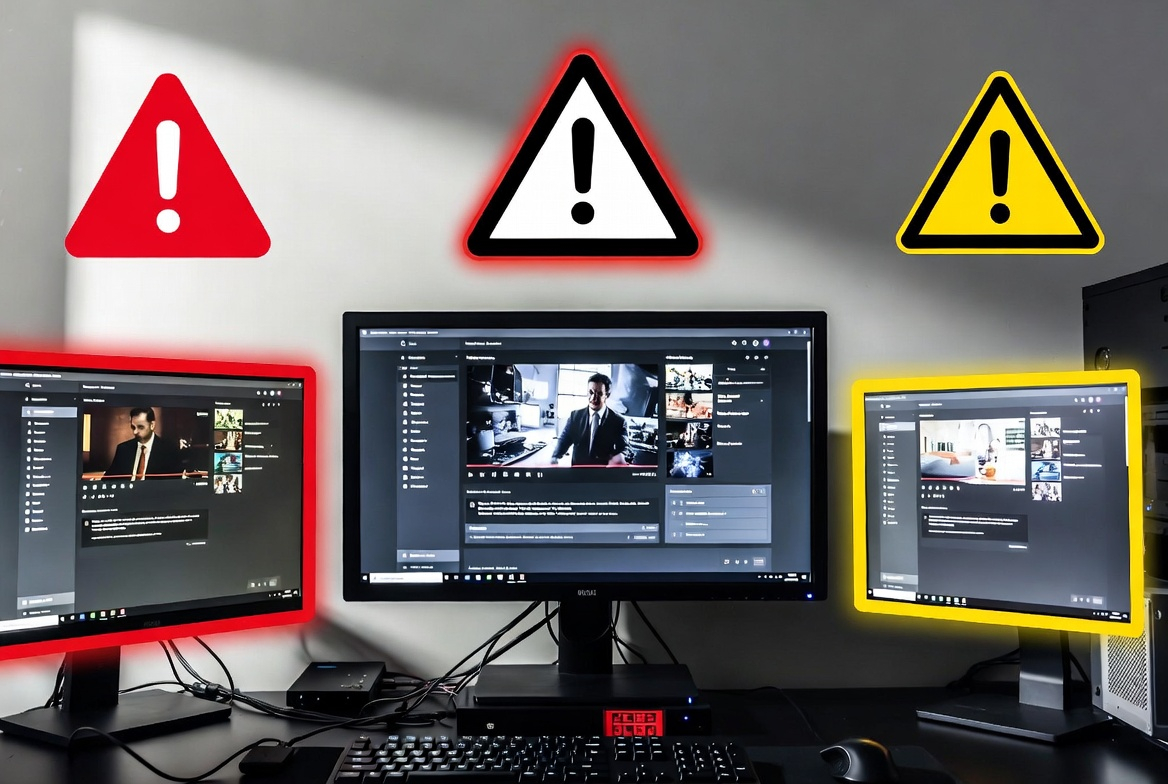
A legal IPTV provider has done the hard work behind the scenes. They have:
- Paid for proper licensing from content owners
- Secured broadcasting rights for each region in which they operate
- Registered as a real, traceable business
- Built their service to comply with local laws
YouTube TV, Hulu Live TV, Sling TV — these companies pay massive licensing fees to carry every channel they offer. That is why they charge what they charge. And that is why using them is completely safe.
What Makes a Service Illegal
Get a Free Trial for 24 Hours
Don’t wait, don’t hesitate. Claim your free IPTV trial right now and see the difference for yourself before you commit to anything.
Get My Free Trial →An illegal IPTV service skips all of that. They simply grab broadcast signals from legitimate sources, restream them without any permission, and sell access to unsuspecting customers.
You can usually spot them easily:
- Prices that make no sense — five or ten dollars for thousands of channels
- No company name or real address anywhere on the site
- Payment only through Bitcoin or wire transfer
- Not available on the App Store or Google Play
- Zero customer support or only reachable through Telegram
If a service charges you eight dollars a month and gives you every sports channel on the planet, ask yourself one honest question. How are they paying for all of that? They are not.
IPTV Laws by Country — Where Do You Stand?
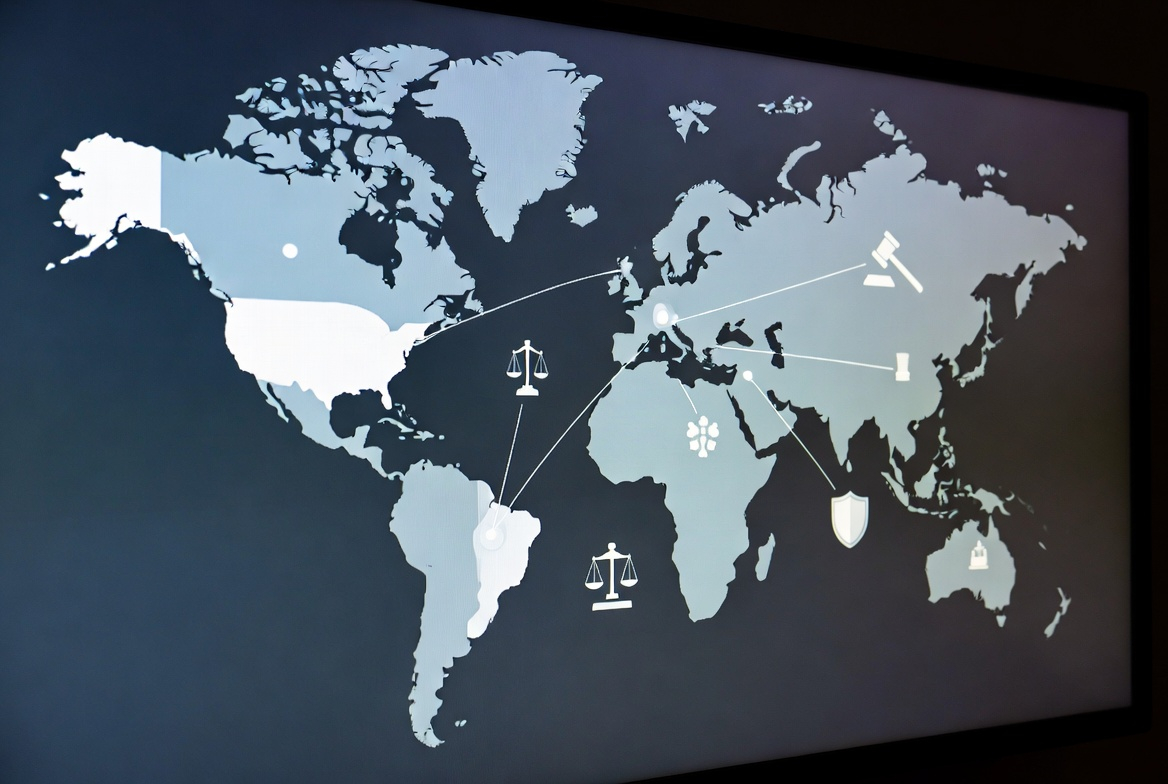
Laws around IPTV are different depending on where you live. Here is a clear, honest breakdown.
United States
In the US, IPTV falls under federal copyright law. The DMCA makes it illegal to stream copyrighted content without a proper license. Using licensed services like YouTube TV or FuboTV is completely fine. Using unlicensed services puts you in violation of federal law.
The Department of Justice has already shut down dozens of large illegal IPTV operations. Most prosecutions target the providers. But subscribers are not invisible, and that is changing.
United Kingdom
The UK is one of the most aggressive countries when it comes to IPTV enforcement. The Digital Economy Act makes it a criminal offense to access pirated streams knowingly. Organizations like FACT actively investigate illegal IPTV operations and pass evidence to police.
Fines and criminal charges have been handed out. Legal options like BBC iPlayer, Sky, and BT TV are widely available and affordable by comparison.
Canada
Canada’s Copyright Act covers IPTV clearly. Using unlicensed services breaks the law. Courts have increasingly sided with broadcasters and content owners in recent IPTV cases.
Australia
Australia has introduced site-blocking laws that force internet providers to block access to known piracy platforms. Using illegal IPTV services violates the Copyright Amendment Act and can result in consequences from both your ISP and the courts.
Europe
Across Europe, the EU Copyright Directive has pushed member states to enforce copyright law more strictly. Germany, France, and Italy in particular have launched serious crackdowns on both operators and subscribers of illegal IPTV services.
Wherever you live, the message is consistent. Legal services are safe. Everything else carries risk.
How to Tell a Legal IPTV Service from Illegal One
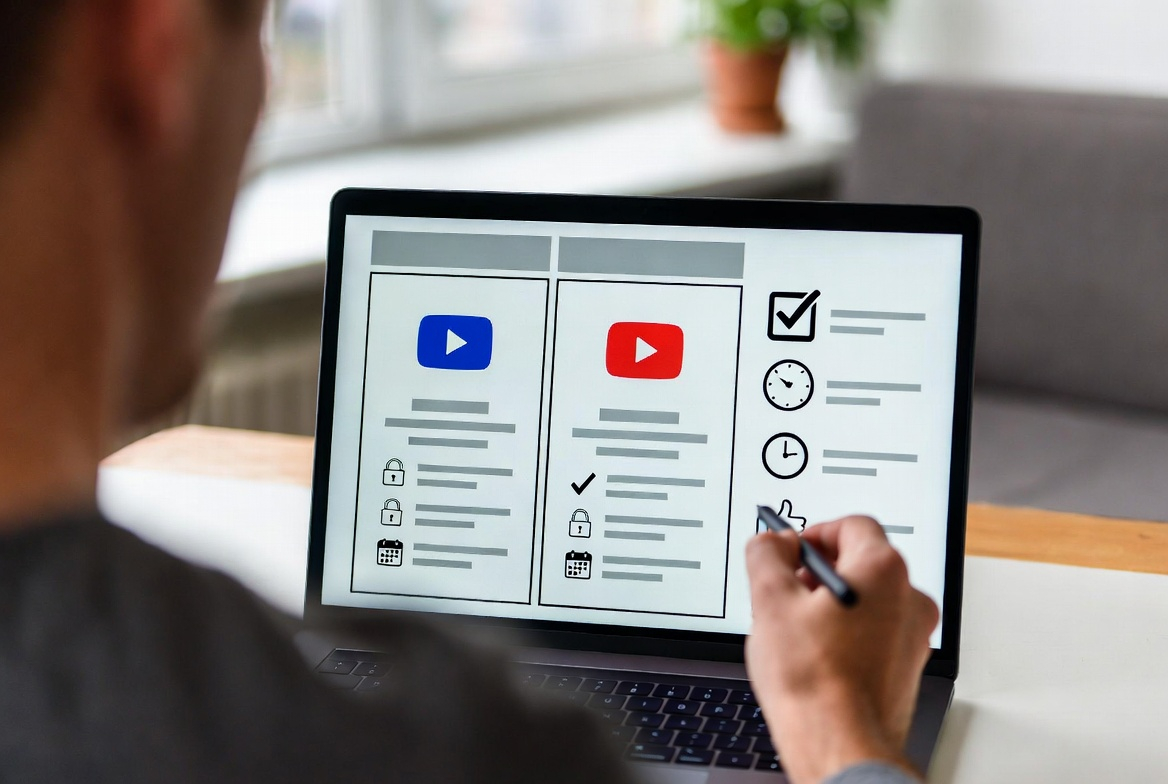
This is where most people get caught out. They sign up for something that looks legitimate. They pay with their real card. And they have no idea they are using a pirated service.
Here is how to protect yourself.
Signs You Are Dealing With an Illegal Service
- The price is way too low to make business sense
- There is no company name, no registered address, and no real legal pages
- They only accept crypto or money transfers
- The app is not on any official store — you have to download an APK file
- Support only happens through Telegram, WhatsApp, or does not exist at all
- There are thousands of channels but zero mention of how they are licensed
Signs You Are Dealing With a Legal Service
- The company is real and searchable
- The app is available on Apple or Google official stores
- They accept credit cards and have a clear refund policy
- They have actual customer support with real contact details
- Licensing or official partnerships are mentioned somewhere on the site
Go through this checklist with your current service right now. The results might surprise you.
Is Paying for an Illegal IPTV Subscription Also Illegal?

Short answer: yes, in most countries it is.
The law in most regions says that knowingly using a service that streams copyrighted content without permission is itself an infringement. You do not have to be the one running the operation to be liable.
That said, courts have so far focused mostly on providers and resellers. Individual subscribers who genuinely had no clue have generally been treated more leniently. But that is changing. As enforcement gets smarter, the net is getting wider.
The realistic risk right now for an average subscriber is a warning letter from your internet provider or a civil notice from a content owner. It is not comfortable. And it is completely avoidable by simply using a legal service.
If you ever receive a warning letter related to IPTV, stop using the service immediately. That is the most important thing you can do.
Is Free IPTV Actually Legal?
Yes — but only if you know which ones to use.
Get a Free Trial for 24 Hours
Don’t wait, don’t hesitate. Claim your free IPTV trial right now and see the difference for yourself before you commit to anything.
Get My Free Trial →There are real, genuinely free IPTV platforms that are fully licensed. They make their money from advertising instead of subscriptions. You are not breaking any law by using them.
Some solid free legal options include:
- Pluto TV — Loads of live channels, completely free and licensed
- Tubi — Huge library of movies and shows with ads
- Peacock Free — NBC content at no cost
- BBC iPlayer — Free for UK licence holders
- Plex TV — Free live TV and on-demand content
The illegal free IPTV apps are a different story. These are apps you download from random websites, certain Kodi addons, or APK files shared on forums. They are free because they are stealing content and distributing it without paying anyone.
Free does not automatically mean illegal. But free from an unofficial source almost always does. For a safe list of tested options, this guide on best free IPTV apps and trials in 2026 is worth bookmarking.
Does IPTV Break Copyright Law?
Again, it depends entirely on the service.
A licensed IPTV service does not break copyright law. It operates exactly like a cable company does — it pays for permission to carry content and passes that content to its subscribers.
An unlicensed service breaks copyright law with every single stream it delivers. And the common belief that streaming does not count as infringement is simply wrong. In most countries, receiving an unauthorized stream is treated as infringement even if you never download anything.
Content owners are not sitting still either. The Alliance for Creativity and Entertainment, which includes major studios and sports leagues, has shut down hundreds of illegal IPTV operations globally. They track subscriber data. They cooperate with law enforcement. And their budgets for this kind of enforcement are growing every year.
What Are the Real Penalties for Using Illegal IPTV?
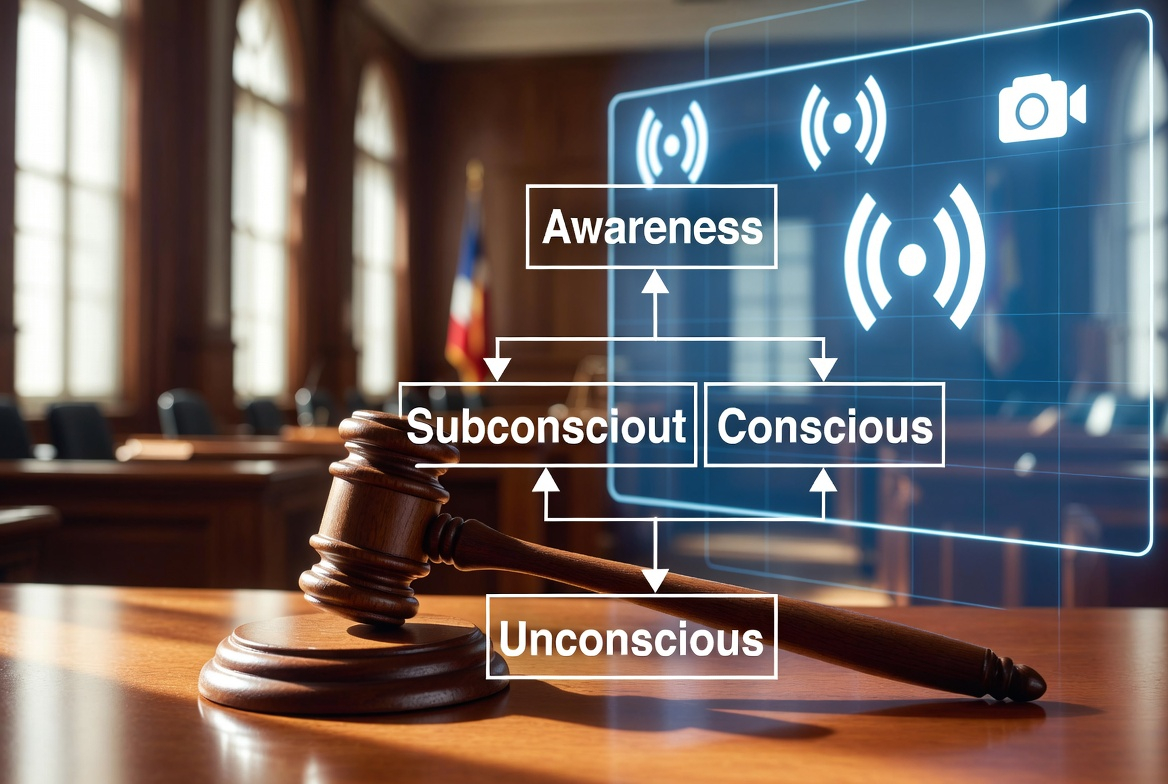
Let us be honest about what is actually at stake.
Civil Consequences
In the US, copyright holders can sue for statutory damages ranging from $750 to $150,000 per infringed work. Mass lawsuits against individual subscribers are still rare in the IPTV space but they are not unheard of. The entertainment industry has done this before with music piracy, and the IPTV space is heading in the same direction.
Criminal Consequences
For providers and resellers, criminal prosecution is very real. Multi-year prison sentences have been handed out in the US, UK, and across Europe. For subscribers who knowingly pay for and use illegal services, criminal exposure is lower but not zero.
What Your ISP Can Do
Your internet provider is closer to this than you might think. Many ISPs now:
- Send warning letters when streaming traffic raises flags
- Throttle your connection speed
- Cooperate with content owners by handing over account information
- Terminate your service in serious repeat cases
Does a VPN Make IPTV Legal?
No. It does not. This myth needs to die.
A VPN hides your IP address. It encrypts your traffic. It makes it harder for your ISP to see exactly what you are watching. But it does not give you any legal right to watch content that is being streamed without a proper license.
Here is what a VPN cannot do:
- It cannot make an illegal stream legal
- It cannot protect you if the IPTV service gets raided and subscriber records are seized
- It cannot grant you broadcasting rights that the service does not have
A VPN is a privacy tool. There are legitimate reasons to use one with IPTV — like accessing content you are legally entitled to while traveling. But using it to feel safer while watching pirated streams is a false sense of security.
Best Legal IPTV Providers in 2026
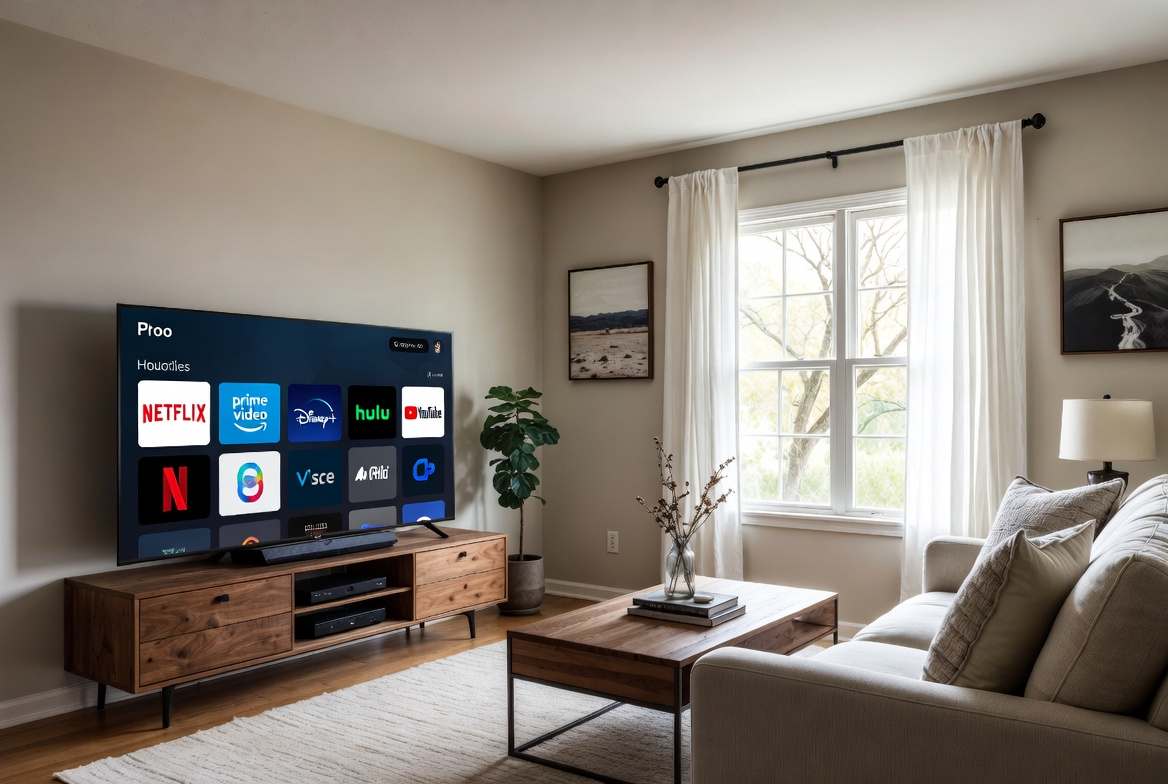
Good news: legal IPTV has never been more affordable or accessible. You genuinely do not need to risk an illegal service to get great value.
Premium Paid Options
| Service | Best For | Approx. Monthly Cost |
| YouTube TV | All-round US viewing | ~$73/month |
| Hulu Live TV | Sports and entertainment | ~$83/month |
| Sling TV | Budget live TV | ~$40/month |
| FuboTV | Sports-heavy households | ~$80/month |
| DirecTV Stream | Premium channels | ~$64/month |
Free Legal Options
| Service | What You Get |
| Pluto TV | Live channels and VOD |
| Tubi | Movies and TV shows |
| Plex TV | Live TV and on demand |
If you’re looking for a reliable, licensed service with a strong channel variety, NovaPrime IPTV is worth considering. They offer a proper premium IPTV service with a solid lineup of IPTV USA channels. You can start with an IPTV free trial and see if it suits you before spending anything.
How to Buy a Legal IPTV Subscription Without Getting Burned

Follow these five steps and you will never accidentally end up with an illegal service.
- Step 1 — Google the provider name. Add words like scam, illegal, or shutdown to your search. See what comes up.
- Step 2 — Check for an official app. If it is not on the Apple App Store or Google Play, that is a serious red flag.
- Step 3 — Pay with a credit card. Never pay with crypto or bank transfer for a streaming service. A credit card gives you protection if things go wrong.
- Step 4 — Read their legal pages. A real business has terms of service and a privacy policy. No legal pages means no legitimate operation.
- Step 5 — Start small. Do not commit to a long plan until you have tested the service. NovaPrime IPTV offers a 1-month IPTV subscription to start, or you can go with 3 months, 6 months, or a full 1-year IPTV subscription for the best value. Compare everything on their IPTV subscription plans page.
Quick Answers to Common IPTV Legal Questions

Can I watch illegal IPTV if I never share it with anyone?
Watching is still an infringement in most countries. The act of receiving an unauthorized stream is the violation, not distributing it.
Can I get arrested just for watching?
An arrest for casual watching is very rare. But fines and ISP warnings are real. Resellers face much higher risk, including criminal charges.
Is a jailbroken Fire TV Stick legal?
Jailbreaking itself is not illegal. Using it to watch pirated streams is. Using it with a licensed IPTV app is completely fine. This Firestick vs Android Box for IPTV guide helps you choose the right device either way.
Are IPTV resellers breaking the law?
Yes, significantly more so than regular subscribers. Reselling access to an illegal service makes you a distributor of pirated content.
Can bars and restaurants use home IPTV subscriptions legally?
No. Home subscriptions are not licensed for commercial use. Businesses need separate commercial broadcasting licenses.
What is the safest way to watch live sports legally?
Use an official broadcaster or a licensed streaming service that has paid for sports rights. Many affordable IPTV subscription plans now include major sports channels at reasonable prices.
The Final Word
IPTV is legal when the service behind it has done things properly. IPTV is illegal when the service is stealing content and charging you to watch it. That is really the whole answer.
In 2026, there is no good reason to take the risk. Legal services are genuinely affordable. The quality is better. The streams do not crash during the FA Cup final. And you sleep well knowing you are not one enforcement action away from a nasty letter.
The best IPTV options are more accessible than ever. Prices have come down. Variety has gone up. Compare what is out there on a best IPTV subscription page and you might be surprised at how reasonable it is to do things the right way.
1Have questions before you sign up? The IPTV support team at NovaPrime is easy to reach through their contact page. And if you want to keep reading before making a decision, the IPTV blog has more guides like this one. The IPTV vs cable TV comparison is a great next step if you are still on the fence.
Get a Free Trial for 24 Hours
Don’t wait, don’t hesitate. Claim your free IPTV trial right now and see the difference for yourself before you commit to anything.
Get My Free Trial →Stream smart. Stream legally. It is honest that simple.
1 thought on “Is IPTV Legal? The Complete Guide to IPTV Laws, Risks, and Safe Streaming in 2026”
Pingback: How to Build Your Own IPTV Server at Home